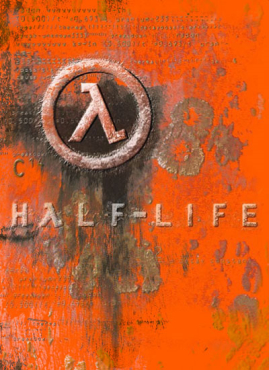
 The Valve Corporation is a private company responsible for video game development and digital distribution. Valve is an American company and is based in Bellevue, Washington. Valve was founded by two former Microsoft employees, Gabe Newell and Mike Harrington in 1996 who privately funded the development of their first game, Half Life which was a great success and sold over 9.3 million copies and won over 50 PC Game of the Year awards. The game was released on Windows originally in 1998, then on Playstation 2 in 2001 and Linux & Mac OS X in 2013 over Valve's online distribution service, Steam.
Steam was released to the public in 2003, was designed to distribute games from small independent developers as well as larger software companies alike, in 2012 Steam started distributing non-game software. Steam sells over 1860 games, has 54 million active user accounts and has an estimated 50-70% of the market share of the digital distribution market for video games.
 Valve wishes to remain a private company and does not disclose it's financial data but it is estimated that the total equity of the company is $2.5 US Billion and that in 2010, steam made an estimated $1 US Billion of revenue, with 60-70% of that going to the game developers themselves, meaning that Valve made approximately $300-400 Million, combined with the revenue from Valve's own products meaning they made approximately $700 Million that year. Valve only consists of around 400 employees, meaning it earns more profit per employee than giants like Apple and Google.
In 1999, Valve released Team Fortress Classic, a team based multiplayer first person shooter game. The game was originally a modification for Quake, another first person shooter released in 1996 but was made as a modification of Half Life in 1999 (A standalone version of the game was released on Steam in 2003). The game consisted of nine different classes which the player could choose between, each offering a different style of play and benefiting the team in different ways.
 In 2007, Team Fortress 2 was released for Microsoft Windows, Xbox 360 and Playstation 3. The game was a remake of the original Team Fortress, encompassing many of the same aspects of the original game but with more stylized and up to date graphics as well as new types of game-play and interchangeable items for each class. Team Fortress 2 was released on both Steam and in The Orange Box. The Orange Box is a collection of three Valve games; Half Life 2 (including Episode 1 and Episode 2), Team Fortress 2 and Portal. The Orange Box was developed by Valve for the Windows and Xbox 360 release and Electronic Arts for the Playstation 3 release. Although the games became available individually at a later date, the Orange Box was far cheaper than buying them separately.
In 2011, the game became entirely free on Steam and was supported by it's micro-transactions players could buy things such as weapons to use in the game and cosmetic items to show off. The game also allowed players to trade their items, creating an online trading market where in game items could be exchanged for real money or other items. In 2012, Steam released the Beta of the Steam Community Market, allowing players to sell items from games such as Team Fortress 2 and Dota 2 to other players in exchange for Steam Wallet credit, which they could use to buy more items or to buy games from Steam, not only does this create more sales for Valve due to players spending their wallet credit on Steam games, but also Valve takes 15% from each transaction.


